Proposed wedding law reforms could give couples more freedom than ever before
The Government has announced what it describes as the biggest reform to marriage law in almost 200 years, with proposals that could fundamentally change how couples in England and Wales choose to celebrate their wedding day.
Under the current system, legal marriage ceremonies must take place at an approved venue. However, the proposed reforms would shift the focus from licensing venues to authorising the registered officiant conducting the ceremony. If adopted, this could allow couples to legally marry in almost any location, from private gardens and family farms to pubs, beaches, castles and even cruise ships in international waters.
The proposals are designed to modernise legislation that many consider outdated, while giving couples greater flexibility and helping to reduce the cost of getting married.
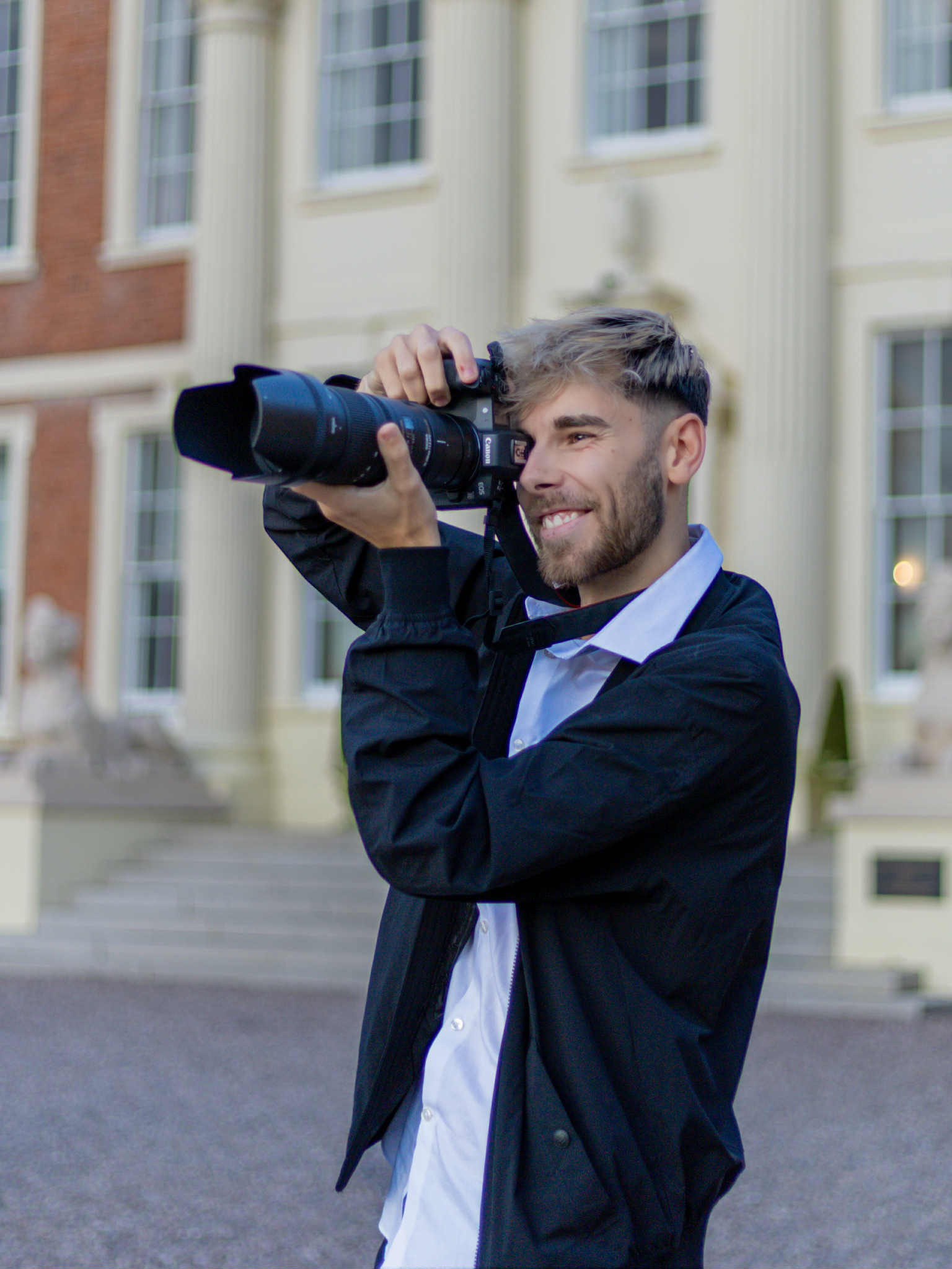
As a wedding photographer, this is a development I’m genuinely excited to see.
For many couples, venue hire represents one of the largest expenses in their wedding budget, often costing several thousand pounds before catering, drinks or entertainment are even considered. Greater flexibility around ceremony locations has the potential to make weddings more accessible, allowing couples to prioritise experiences and personal touches over venue restrictions. It could also encourage a new wave of celebrations that feel deeply personal. More freedom over where couples can marry opens the door to even more creative, heartfelt celebrations, and as photographers, those are the stories we’re privileged to document.
Of course, there are practical considerations. Established wedding venues offer much more than a beautiful setting. They bring experienced event teams, comprehensive insurance, licensed bars, catering facilities, accessibility, health and safety procedures and years of expertise in delivering seamless wedding days. Couples considering alternative locations will need to think carefully about these logistics, and suppliers may find themselves taking on a greater role in helping create safe, well-organised celebrations.
The proposals also make clear that complete freedom doesn’t mean anything goes. Ceremonies would still need to meet a ‘dignity framework’, meaning activities such as skydiving, white-water rafting or rollercoaster weddings would not be permitted. The reforms would, however, allow for greater personalisation, including legally recognised Humanist weddings and more flexibility around religious content within civil ceremonies.
It’s important to remember that these changes are still proposals. A public consultation is open until 24 September, after which legislation would need to be introduced before any reforms become law.
If implemented, these changes could mark a significant moment for the wedding industry. More choice for couples. More flexibility for suppliers. And perhaps most importantly, more opportunities for weddings that feel genuinely personal.
As someone who spends every weekend documenting love stories, I believe that’s something worth celebrating.


Comments